Eduardo
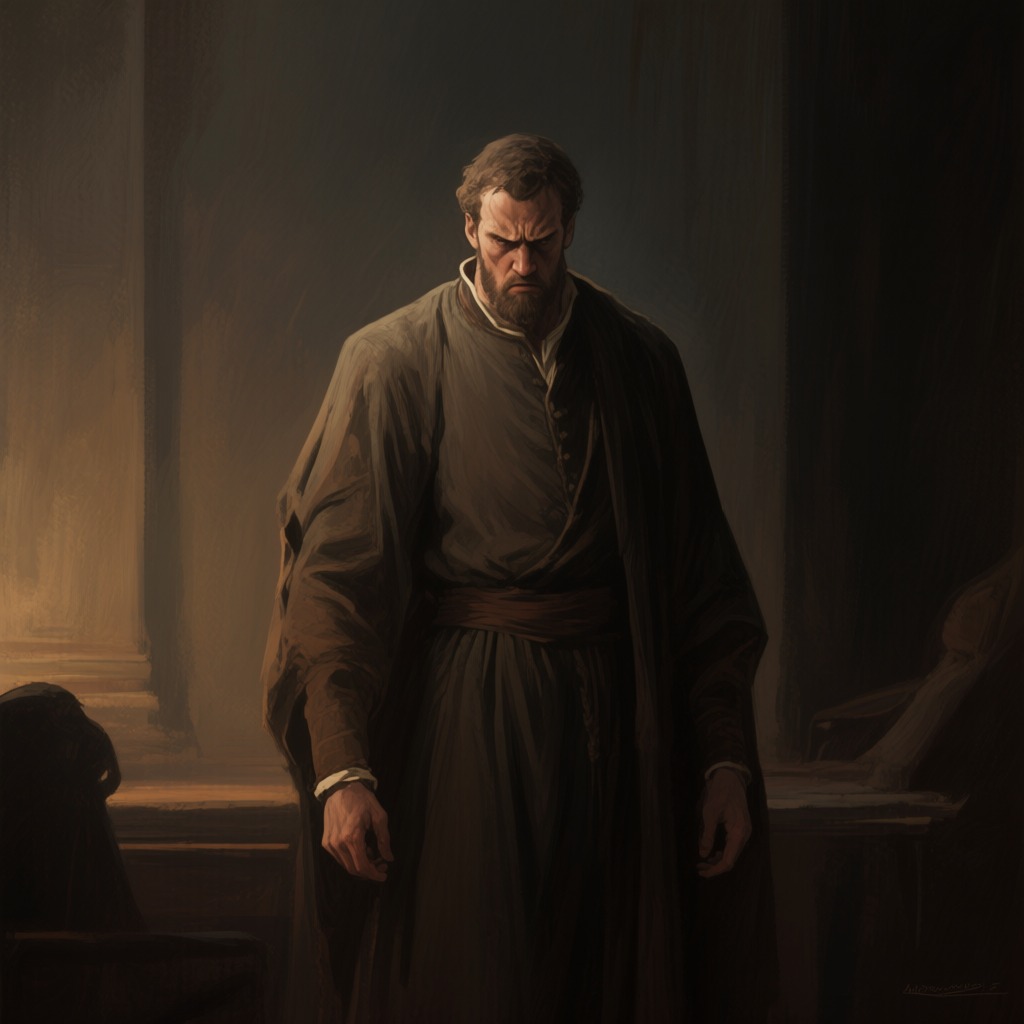
Eduardo is a Basque guide who becomes the first person to lead Isabelle Rossignol and a group of downed Allied airmen across the Pyrenees into Spain, turning the Nightingale escape route from an idea into a working reality. A broad-shouldered man with a face "carved in stone with a dull blade," he wears a thin, heavily patched coat and speaks with a directness that matches his physical toughness. His willingness to trust Isabelle—but only after testing her—and his ability to navigate the most treacherous terrain in Occupied France make him the indispensable foundation of the route that will eventually save more than a hundred men.
Identity and Introduction
Eduardo is introduced through Micheline Babineau, the Basque woman who runs a safe house in the foothills above Urrugne. When Isabelle arrives at the farmhouse late at night, having walked from the train station at Saint-Jean-de-Luz, she asks for a guide to cross the mountains. Madame Babineau calls for Eduardo, and he bursts through the door, grabs Isabelle by the arm, lifts her out of her chair, and throws her against the rough-hewn wall. He wedges his knee between her legs, demands to know where her pilots are, and tells her what the Germans will pay for her and the airmen. When Isabelle denies everything—"What pilots? I don't know what you're talking about"—he cracks her head against the wall. Only after she holds firm does he release her, smile, and say, "Clever girl. And not a bit weak in the knees." The test is deliberate: he needs to know she will not break under pressure. Madame Babineau confirms his judgment: "Good for her." Eduardo then declares, "The weather is good. Her will is strong. The men may sleep here tonight. Unless they are weaklings, I will take them tomorrow."
The Crossing of the Pyrenees
Eduardo leads the party—Isabelle, four airmen (two Brits and two Canadians), and himself—out of the cottage in the middle of the night. He hands each man a pair of Basque espadrilles with rope soles, a goatskin bota bag full of wine, and a walking stick made from knobby, mossy branches. He gives a single instruction: "Silence. Always." He walks at the front of the single-file line; Isabelle is at the back. He sets a punishing pace, climbing past the tree line into freezing rain and snow. When one of the Canadian fliers, Teddy, falls to his knees and says he is done for, Eduardo does not stop; it is Isabelle who gets the man back on his feet. Eduardo allows no respite except for a brief stop at a goatherder's shack, where he starts a fire and lets the party eat and sleep through the day. The next night, he drives them on through a blizzard, across a thousand-meter-high pass, and down the other side. When the rain turns their woolen coats into sodden weights and men slip on wet rocks, Eduardo keeps moving. At dawn, he points to a cave and tells them to eat and sleep: "Tomorrow we make the final trek."
The River Crossing and Arrival in Spain
On the fourth night, Eduardo stops the party at the edge of a giant gorge. Far below, the Bidassoa River roars, swollen by rain. He tells them they cannot swim across. He leads them along the riverbank to a rickety suspension bridge with rope sides and a wooden-slat floor, through which the rushing white water can be seen in strips. A Spanish checkpoint with guards and searchlights is nearby. Eduardo explains the timing: each man has sixty seconds between searchlights to cross, and must drop to his knees and crawl beneath the guardhouse window on the other side. He crosses first. Then, one by one, he guides the airmen across. Isabelle goes last. When she reaches the other side, Eduardo leads them to a hidden hillock and lets them sleep. At sunrise, he points to a young woman on a bicycle and a town glinting in the sunlight: "Almadora will take you to the consulate in San Sebastián. Welcome to Spain." He tells Isabelle, "It won't be so easy next time," and promises, "When you come back again, with more pilots, I'll be here."
Significance
Eduardo's crossing proves that the Pyrenees route is viable, and his willingness to guide Isabelle again establishes the foundation for the Nightingale escape route. His test of her resolve—the violent interrogation—confirms that she has the nerve to lead men through the mountains. His skill, endurance, and local knowledge make the impossible journey possible, and his promise to return for future crossings ensures that the route will continue. He is the first of many Basque guides who will risk their lives to move airmen through the mountains, and his success gives Isabelle the confidence to make the crossing twenty-seven times.